Hurt at Port Everglades or on a cruise that left Fort Lauderdale? Check your ticket for two deadlines
If you were hurt on a cruise that sailed from Port Everglades in Fort Lauderdale, your ticket contract most likely gives you six months to send the cruise line written notice of the claim and one year to file a lawsuit, which federal law allows cruise lines to require (46 U.S.C. § 30508). The ticket also usually names the court where you must sue, typically the U.S. District Court for the Southern District of Florida. These limits are far shorter than the two years Florida allows for most injuries on land, so the ticket should be read the same week you get home.
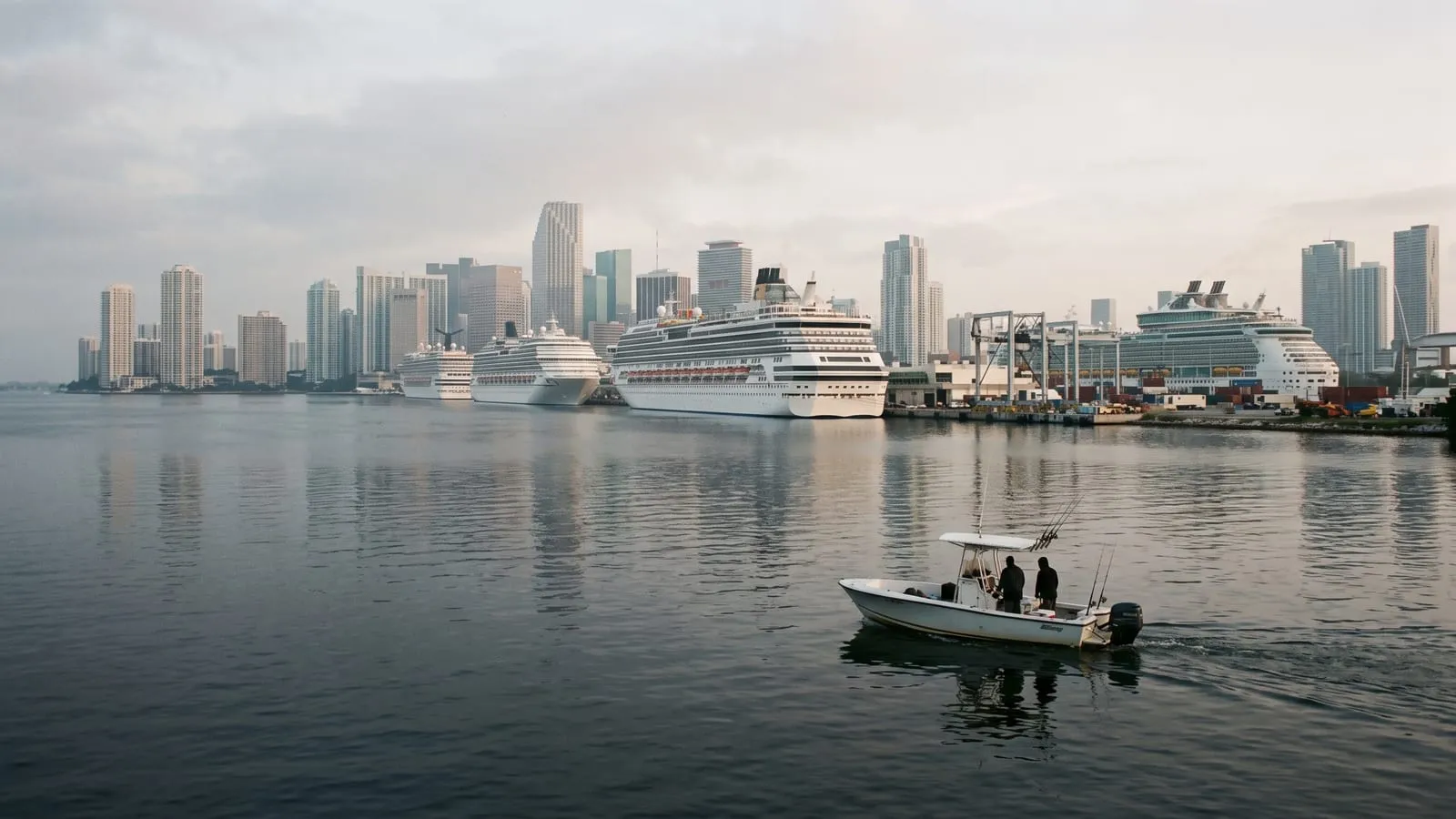
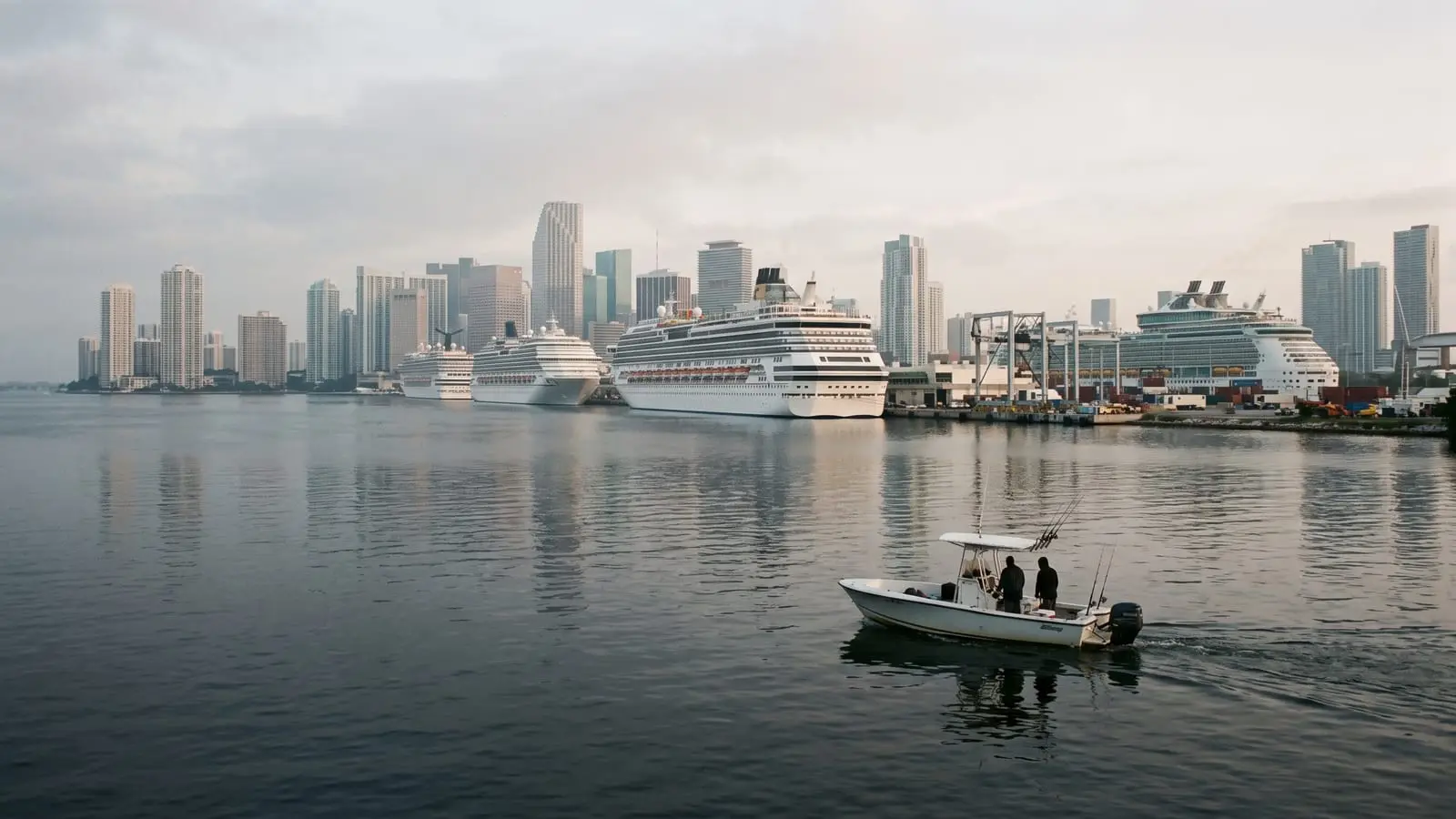
Port Everglades is a major cruise port, sitting where Fort Lauderdale, Hollywood, and Dania Beach meet, right next to FLL. Many passengers fly in, take a car to the terminal, and sail the same afternoon. Most come home with nothing worse than a sunburn. For the ones who come home with a broken wrist, a head injury, or a back that will not straighten, the surprise is that Florida’s usual two-year deadline almost never applies. The ticket you accepted online sets its own clock, and it is short.
Why does a cruise ticket get to set the deadline?
Because federal law lets it. Injuries on a ship at sea are generally governed by federal maritime law, and Congress allows cruise lines to shorten passengers’ time limits by contract, as long as the passenger gets at least six months to give written notice of the claim and at least one year to file suit (46 U.S.C. § 30508(b)). Cruise lines use those minimums. The ticket contract you clicked through while booking, often dozens of pages, is a binding document, and courts generally enforce these terms when the ticket gave reasonable warning of them.
Without a contract limit, maritime injury claims generally have three years (46 U.S.C. § 30106). With one, you have a fraction of that.
What are the two deadlines, in plain terms?
Six months to put the cruise line on notice in writing. This is a letter with the details of your claim, sent to the address the ticket specifies. Telling the purser, filling out an onboard form, or visiting the ship’s medical center is useful evidence, but it is generally not the written claim notice the ticket requires.
One year to file a lawsuit. Filing means a complaint in the court the ticket names. A claim number, a phone call with an adjuster, or settlement talks do not stop the clock. If talks are still going at month eleven, the case still has to be filed.
Does it matter if I was hurt in the terminal, not on the ship?
It can. Injuries at a cruise terminal happen on escalators, gangways, curbs, baggage areas, and wet floors near the entrance. Who answers for them depends on who owned, operated, or maintained that exact spot. It could be the cruise line, a private contractor, or a public body. If a public agency is responsible, Florida’s sovereign immunity statute requires a written notice to the agency before any lawsuit (Fla. Stat. § 768.28(6)), with its own timing and damage limits.
Many ticket contracts are also drafted to reach boarding and leaving the ship. So a fall in the terminal may be under the ticket’s six-month and one-year limits, under Florida law, or both. That question is worth answering early, not at month five.
What has to be proven against a cruise line?
The legal standard is reasonable care under the circumstances. For a hazard like a slick pool deck, a loose stair tread, a dark corridor, or a raised threshold, you generally have to show the cruise line knew about the danger or should have known, for example because it had been there long enough to be noticed, or because the same thing had caused problems before. Other claims follow the same basic idea: medical care in the ship’s infirmary, shore excursions the line sold, and incidents where security was inadequate.
Proving “should have known” depends on records the cruise line controls: maintenance logs, cleaning schedules, prior incident reports, and closed-circuit video. That is why the written notice and a request to preserve evidence should go out early.
What about an injury on a shore excursion?
Excursions are where the facts get complicated. If the cruise line sold, promoted, or arranged the tour, it may share responsibility for an operator’s carelessness, depending on how the excursion was marketed and how much the line controlled it. The local operator may be a separate company in another country. Either way, a claim against the cruise line is still governed by the ticket, so the six-month notice and one-year filing limits apply to it. Keep the excursion booking, the brochure or app listing, and the names of the guides.
What should I keep before I leave the ship?
- Your ticket contract and booking confirmation. They contain the deadlines and the forum clause.
- A copy of the incident report. Ask security to write one and ask for a copy before you disembark.
- The ship’s medical record, which is separate from the incident report.
- Photos and video of the hazard and your injuries, taken before anything is cleaned up.
- Names, cabin numbers, and phone numbers of witnesses. At Port Everglades, everyone disperses within an hour of docking.
- Excursion receipts and brochures, if you were hurt ashore.
What if the cruise line offers a credit or a refund?
Read anything they ask you to sign before you sign it. An onboard credit or a future cruise certificate may come with a release, and a signed release generally ends the claim. If an offer arrives before you know how serious the injury is, it is worth a free consultation first.
What Wolfson & Leon does for cruise passengers
We start with the ticket: which deadlines it sets, which court it names, and whether it reaches the place you were hurt. We send the written notice of claim and a demand that the cruise line preserve video and records, then gather your medical records from your doctors at home. If you live outside Florida, much of the work can be handled by phone and email.
Our office is at 110 SE 6th St #1717 in downtown Fort Lauderdale, a short drive from the port. Call (754) 305-0820, any time of day, well before the six-month mark. The first conversation is free and can be in English or Spanish, and you pay no fee unless the firm recovers money for you.
Key facts
- Federal law lets a cruise line require written notice of a passenger injury claim within no less than six months, and a lawsuit within no less than one year. Source: 46 U.S.C. § 30508(b)
- Maritime injury claims that a contract has not shortened generally must be filed within three years. Source: 46 U.S.C. § 30106
- Under maritime law a cruise line owes passengers reasonable care under the circumstances, and for a dangerous condition it generally must have known or should have known about it. Source: Federal maritime law
- Claims against a Florida county, city, or other public body require written notice to the agency before suit. Source: Fla. Stat. § 768.28(6)
Frequently asked questions
I tripped in the cruise terminal before I ever boarded. Do the ticket deadlines apply?
They might. Many ticket contracts are written to cover boarding and leaving the ship, not just time at sea, and the answer can also depend on who owned or controlled the spot where you fell. Until a lawyer has read your ticket and looked at the location, plan around the six-month notice deadline.
Where would my lawsuit be filed?
Wherever the ticket's forum clause says, which for the major lines is usually the U.S. District Court for the Southern District of Florida. That court sits in Miami and also has a Fort Lauderdale courthouse at 299 E Broward Blvd. The clause may name a specific courthouse, so read it closely.
I live in another state. Can I handle this without coming back to Florida?
Much of it, yes. Wolfson & Leon handles a large part of a cruise case by phone and email, and gathers your medical records from your doctors at home. Some steps may still require your participation, and we tell you about those well ahead of time.
The ship's doctor treated me. Do I need to see my own doctor too?
Yes. Get the ship's medical record, and then see your own doctor as soon as you are home. The ship's medical staff works for the cruise line, and your own doctor's records will carry the case.
This post is general information about Florida and federal law and is not legal advice. Reading it does not create an attorney-client relationship with Wolfson & Leon. Each case turns on its own facts, and past results do not predict future ones. If you were injured, speak with a lawyer about your own situation.
Also available in: Versión en español