Boating or jet-ski accident on the Intracoastal or at a sandbar near Fort Lauderdale: what the law requires, and who pays
After a boating or jet-ski accident on the Intracoastal, a canal, or at a sandbar near Fort Lauderdale, Florida requires the operators involved to report it when anyone is injured or killed or damage is more than $2,000 (Fla. Stat. § 327.30), and leaving the scene when someone is hurt can be a crime. Your car insurance PIP does not cover injuries on a boat, so payment usually comes from the careless operator's or owner's insurance, a rental or charter company's commercial policy, and your own health insurance. Many private boats carry no liability coverage at all, which is why every possible policy should be identified early.
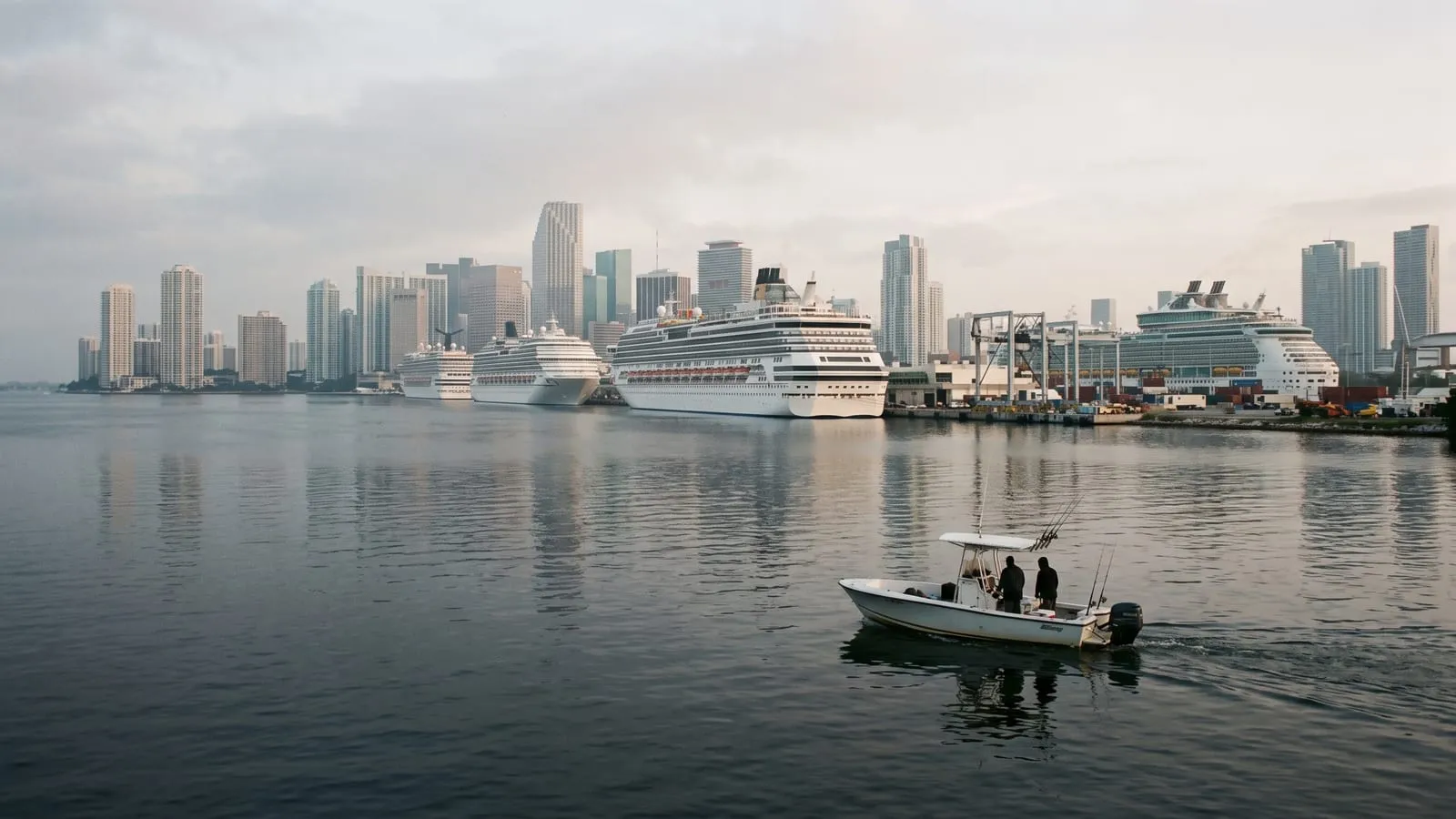
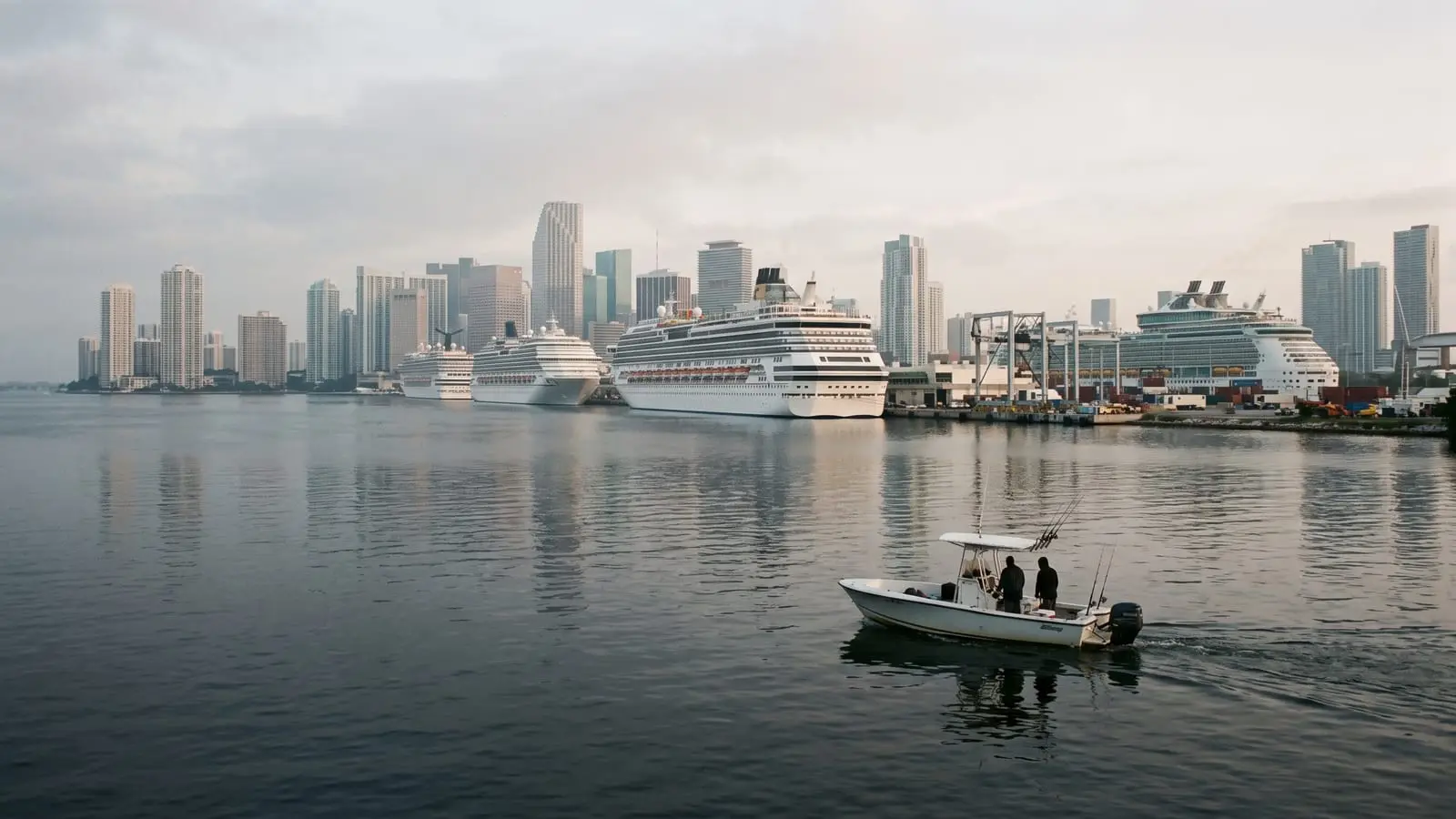
On a sunny weekend the water around Fort Lauderdale is as crowded as the roads. Boats run the Intracoastal past the beach hotels, wait for the drawbridges, and work through the New River and hundreds of miles of residential canals. Sandbar gatherings pack anchored boats together with people swimming between them. Jet skis and rental boats head out of marinas, and the Port Everglades inlet and Hillsboro Inlet to the north send boats into open water. Every fall the Fort Lauderdale International Boat Show brings still more boats to town.
Boat accidents on these waters are different from car crashes in ways that surprise people: there is no PIP, many boats have no insurance, and federal maritime law may control the case. Here is what Florida requires after an accident and how the question of who pays usually works out.
What does Florida require right after a boating accident?
When an accident causes injury, death, or more than $2,000 in damage, the operators involved must report it (Fla. Stat. § 327.30). Reports can be made to the Florida Fish and Wildlife Conservation Commission (FWC), the county sheriff, or local police, and the U.S. Coast Guard may get involved on federal waters or when a commercial vessel is part of it. Leaving the scene when someone has been hurt can be a crime.
If you are on the water and someone is hurt:
- Call 911 or hail the Coast Guard on VHF Channel 16. Give your location using a landmark, a channel marker, a bridge, or GPS.
- Keep engines off near anyone in the water. Propeller strikes cause some of the most serious boating injuries, and they can happen in the confused minutes after the first impact.
- Get the other boat’s registration number and the operator’s name. Boats leave quickly, and the hull number is how they are found later.
- Photograph everything you can: the boats, the damage, the weather, the water, where everyone was, and your injuries.
- Ask which agency took the report and write down the report number.
Who can be responsible for a boating or jet-ski injury?
Florida sets rules for the people running boats and the businesses renting them, and a violation of those rules is often the center of a claim.
- The operator. Careless or reckless operation is prohibited (Fla. Stat. § 327.33). Speed in a crowded anchorage, no lookout, drinking, or running too close to swimmers at a sandbar are typical examples.
- The owner, even if not aboard. A boat owner who lets someone else run the boat can be responsible for that person’s carelessness (Fla. Stat. § 327.32).
- A rental or charter business. Florida requires businesses that rent boats and jet skis to give safety instruction before a rental (Fla. Stat. § 327.54). Renting to someone without the required instruction, or renting out a machine that is not safe, can support a claim against the business.
- Another boat, or several, when more than one operator contributed.
Training and age rules matter too. Anyone born on or after January 1, 1988 needs a boating safety education card to run a vessel (Fla. Stat. § 327.395). Jet-ski operators must be at least 14, and life jackets are required (Fla. Stat. § 327.39).
Who pays the medical bills after a boat accident?
Not your car insurance. Florida’s PIP law defines the vehicles it covers in a way that leaves out boats (Fla. Stat. § 627.732(3)), so there is no no-fault coverage waiting on the dock. In practice, the sources are:
- The operator’s or owner’s boat insurance, if there is any. Liability coverage is often optional for private recreational boats in Florida, so it may not exist.
- A rental, charter, or marina business’s commercial policy, when a business was involved.
- Your own health insurance, which usually pays first for treatment while the claim is pending.
- Other policies in your household that may reach a boating injury. This varies by policy, so bring them all.
Finding every available policy early is often the most important work in a boating case.
How long do I have to bring a boating claim?
It depends on which law governs. Under general maritime law, the deadline to sue is generally three years (46 U.S.C. § 30106). Some claims connected to a boating injury follow different rules: a claim against a public agency requires written notice first, and a boat owner may file a federal limitation of liability petition within six months after receiving written notice of a claim (46 U.S.C. § 30529), which sets its own court deadline for injured people. Fault rules can also differ between maritime law and Florida law. The safe course is to get advice well before any deadline, not near one.
What Wolfson & Leon does after a boating accident
We find out who was operating, who owns the boat, whether a business rented or chartered it, and what insurance exists. We get the agency report, send preservation letters for video from marinas, waterfront condos, and other boats, and collect the rental paperwork, including any waiver, so it can be reviewed. We also watch for a limitation filing so no court deadline passes unnoticed.
Our office is at 110 SE 6th St #1717 in downtown Fort Lauderdale. Call (754) 305-0820; phones are answered 24 hours a day. The first conversation is free and can be in English or Spanish, and you pay no fee unless the firm recovers money for you.
Key facts
- A boating accident that causes injury, death, or more than $2,000 in damage must be reported. Source: Fla. Stat. § 327.30
- Operating a vessel carelessly or recklessly is prohibited. Source: Fla. Stat. § 327.33
- Anyone born on or after January 1, 1988 must carry a boating safety education card to operate a vessel. Source: Fla. Stat. § 327.395
- A personal watercraft operator must be at least 14, and life jackets are required. Source: Fla. Stat. § 327.39
- Florida's PIP statute defines motor vehicle in a way that does not include boats. Source: Fla. Stat. § 627.732(3)
- General maritime injury claims must generally be filed within three years. Source: 46 U.S.C. § 30106
Frequently asked questions
I signed a waiver when I rented the jet ski. Can I still make a claim?
Possibly. A waiver may limit some claims, but Florida courts look at these agreements closely, and a waiver generally does not excuse a rental business from gross negligence or from breaking safety laws, such as the rule that boat and jet-ski rental businesses give safety instruction (Fla. Stat. § 327.54). Bring the waiver to a consultation instead of assuming it ends the case.
My friend's boat crashed and I was a passenger. Do I have to sue my friend?
The claim is usually paid by the boat's insurance, if it has any, not out of your friend's pocket. A boat owner who lets someone else run the boat can also be responsible for that operator's carelessness (Fla. Stat. § 327.32). A friendship does not lower the operator's duty to drive the boat safely.
The boat owner's lawyer filed something in federal court to limit what they owe. What is that?
It is likely a limitation of liability petition, which asks a federal court to cap the owner's total exposure at the boat's value after the accident. It must generally be filed within six months after the owner receives written notice of a claim (46 U.S.C. § 30529), and it sets a court deadline for every injured person to file. Do not ignore it; call a lawyer the same week.
Who investigates a boat crash in Broward waters?
Reports can be made to the Florida Fish and Wildlife Conservation Commission, the county sheriff, or local police, and the U.S. Coast Guard may be involved on federal waters or with commercial vessels. Ask which agency took the report and get the report number.
This post is general information about Florida and federal law and is not legal advice. Reading it does not create an attorney-client relationship with Wolfson & Leon. Each case turns on its own facts, and past results do not predict future ones. If you were injured, speak with a lawyer about your own situation.
Also available in: Versión en español